

### Blog Post:
SPC flooring is now the leading choice for rigid-core luxury vinyl tile in home and commercial renovations, offering waterproof durability but also presenting unique installation and real-world use issues you should consider.
Key Takeaways
- SPC flooring dominates the resilient flooring category, especially for renovation projects requiring waterproof, low-maintenance solutions.
- Real world problems often stem from subfloor flatness, sound transmission, and scratching—especially in busy households or poor installations.
- SPC offers an attractive balance of cost, performance, and style, but buyers should be aware of installation nuances and sustainability considerations.
- What Is SPC Flooring And Why Has It Become So Popular?
- SPC Flooring: Step-by-Step Approach For Installation & Use
- Advanced Analysis & Common Pitfalls: What Users Must Know
- Conclusion
- Frequently Asked Questions
What Is SPC Flooring And Why Has It Become So Popular?
SPC flooring stands for Stone Plastic Composite and is a type of rigid-core vinyl plank that has overtaken other vinyl options for both residential and commercial renovations. The key strength of SPC is its exceptionally stable, waterproof core made from a blend of limestone and polyvinyl chloride, resulting in a product that’s less prone to movement from moisture or temperature swings than classic flexible vinyl (LVP) or even WPC (wood plastic composite).
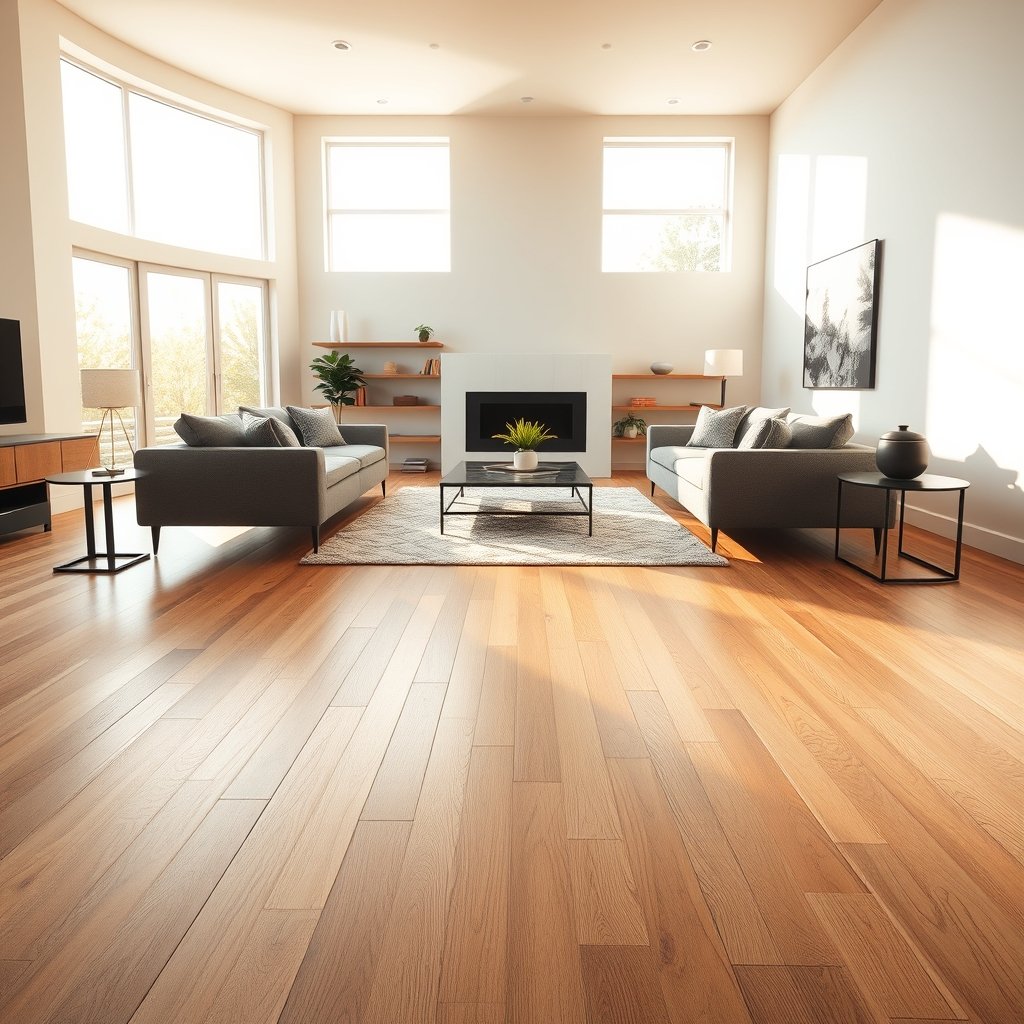
By 2023, SPC flooring accounted for nearly 66% of residential luxury vinyl plank sales and now drives most growth in resilient flooring, especially for moisture-prone renovations like basements, kitchens, and multifamily retrofits. This rise is fueled by strong consumer demand for materials that combine waterproof performance, relatively fast installation, and trendy natural wood or stone looks—all at moderate cost. In value-driven home improvement, “rigid core” is almost always synonymous with SPC, notably outpacing WPC varieties in recent years.
While SPC’s benefits are clear—durability, resistance to warping, and water protection—there are trade-offs. Some users find the floor “hollow” or “hard” underfoot without thicker underlay, and installation demands strict subfloor flatness to avoid future issues. This balance of pros and cons is why smart buyers should go beyond the marketing headlines before making a flooring decision.
SPC Flooring: Step-by-Step Approach For Installation & Use
If you’re planning a basement or renovation project, follow these actionable steps for the best results with SPC flooring. Mistakes at any stage, especially with subfloor prep and expansion gaps, can lead to frustrating problems down the line.
- Assess the space and moisture: Check if you have a concrete slab (common for basements) or old wood subfloor. If you’re over concrete, use a moisture meter or perform a plastic sheet test for condensation. Moisture transmission is the #1 source of “waterproofing” complaints—address this before choosing any floating floor.
- Prep the subfloor: Remove bumps, debris, and old adhesives. SPC needs the floor to be very flat (commonly within 3/16″ across 10 feet). Use floor patch or self-leveler as needed. Skimping here is the most common cause of telegraphing or broken joints.
- Plan your layout and expansion gaps: Mark a starting line perpendicular to the longest wall. Always leave 1/4″ or as specified for expansion at all edges. Never install cabinets or heavy fixed objects on top of floating SPC planks.
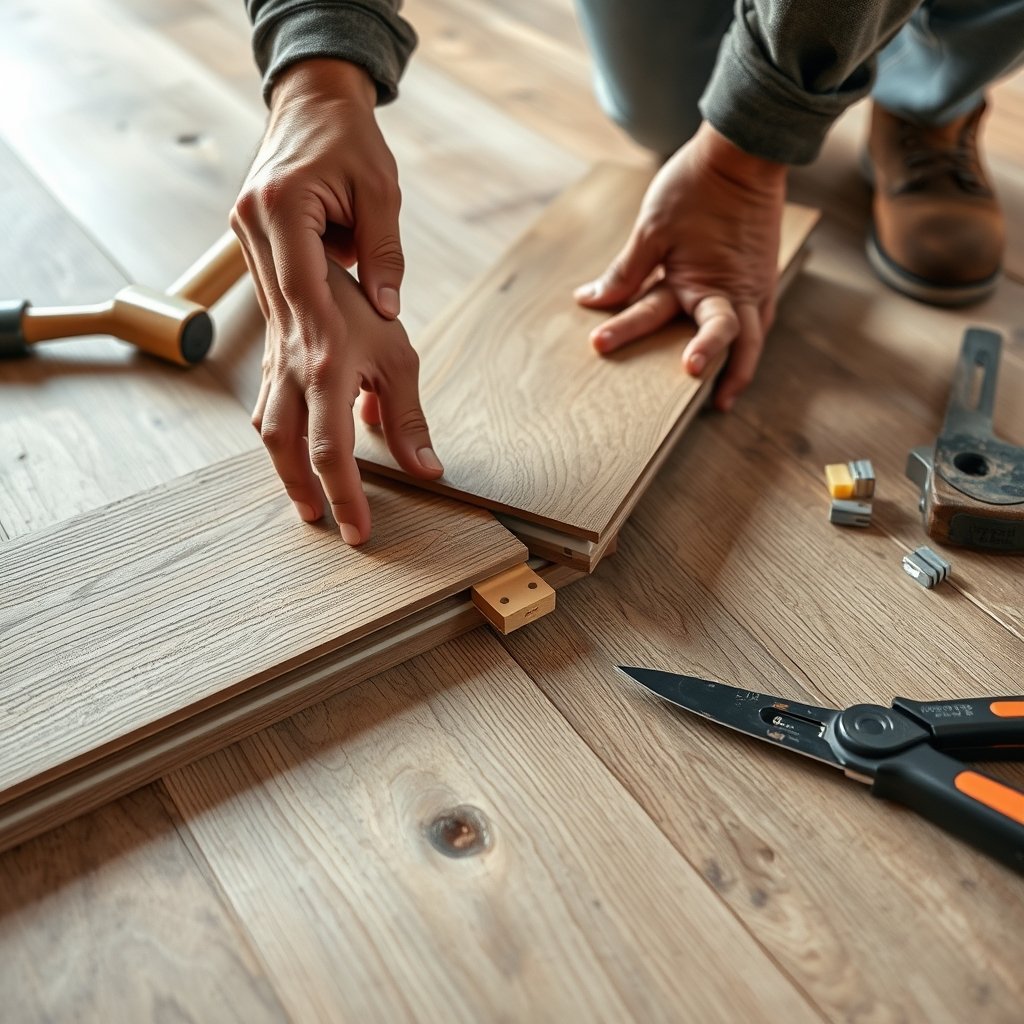
- Lay underlayment and planks: Roll out your underlayment or use SPC with an integrated pad. Begin laying planks, clicking edges together without forcing. Tap seams light-handedly; SPC can break at the joint if overdriven. Stagger end-joints for strength and best visuals.
- Check for flaws as you go: After each row, check for height variation or gaps. Stop immediately to correct any issue. SPC’s stiffness makes it poor at hiding underlying problems—better to adjust mid-install than later.
- Finish and protect: Install baseboard or quarter round to cover gaps. Hold off on heavy furniture for a day, and use felt pads under legs. Clean only with approved, non-abrasive cleaners to avoid premature wear.
As a final step, consider evaluating whole-home traffic patterns, especially with robot vacuums for pet hair or large families. This helps you choose the right wear layer thickness and cleaning strategy for lasting results.
Another quick tip: if you’re working in a multi-room or basement setting, keep kits like an electric cordless drill on hand for trim or transition strips—don’t overtighten fasteners, which can restrict floating floor movement.
Advanced Analysis & Common Pitfalls: What Users Must Know
No flooring choice is perfect. As adoption of SPC has grown, so has the data on where things go wrong—and how you can avoid the most common traps.
Common Pitfalls With SPC Flooring
| Issue | What Happens | Prevention / Solution |
|---|---|---|
| Subfloor not flat enough | Clicks don’t align, planks rock, joints may break or gap over time | Patch and level — rigid SPC is less forgiving than flexible LVP |
| Poor moisture control | Moldy odors, perimeter curling, confusion over “waterproof” claims | Test for vapor, use correct underlayment, address leaks before install |
| Click-lock joint damage | Edges snap during install, peaking or buckling later from overdriving | Tap lightly, never force. Leave expansion gaps and avoid pinning floor |
| Surface scratching | Shows micro-abrasions from pets, chairs, or grit—can dull finish | Choose higher wear layer, add mats at entries, sweep frequently |
| Noise—hollow or loud underfoot | Excess noise especially in multifamily or over slab without underlayment | Use dense underlayment or select SPC with integrated pad; foam is quieter |
| Furniture or cabinets placed on floating floors | Restricts movement, leads to buckling or gapping at joints | Install cabinets first or use glue-down LVP for fixed installations |
SPC vs LVP vs Alternatives
While SPC is often marketed as “the best” for waterproof, stable floors, you should be realistic about how it stacks up against flexible LVP, tile, and other basement options.
- Scratch and impact resistance: SPC generally outperforms standard LVP thanks to its dense core and increasingly advanced wear layers, though neither rivals true ceramic/porcelain tile for scratch-proofing.
- Waterproofing: Both SPC and LVP are rated “waterproof” by major manufacturers. SPC’s main measurable advantage is better dimensional stability—that is, it won’t swell or warp as easily if surface water or humidity persist, making it more resilient in below-grade spaces.
- Cost: SPC typically lands midway between entry-level flexible vinyl and high-end tile or wood, offering a strong value for renovations where budget, ease of installation, and durability all matter.
Maintenance needs for both SPC and LVP are low—just sweep, damp mop as needed, and avoid harsh chemicals. Robot vacuums with soft wheels work well on SPC and help maintain its finish over time.
New Technologies, Trends, and User Concerns
Recent innovations include tougher UV-cured coatings, integrated acoustic pads to counter noise concerns, and wide-plank natural visuals that mimic wood and stone with striking realism. Choose products that emphasize both a robust topcoat and a sound-dampening underlay if acoustic comfort is a priority.
Still, top industry reports only lightly address environmental impact and recyclability. SPC contains a high PVC content; some users are concerned about indoor air quality and sustainability, especially when installed in poorly ventilated basements. If you prioritize eco-friendliness, check for low-VOC, FloorScore, or GreenGuard certifications as a minimum.
For tools, a reliable electric screwdriver for furniture assembly is handy when reinstalling trim or transitions, helping avoid overtightening that might pinch your floating SPC floor.
Want to show off your new floor? Modern LED garden lighting kits can highlight finished basement spaces and buffer areas beautifully.
Finally, most mid-to-premium SPC floors carry 15–25 year residential wear warranties. But real-world results depend on subfloor prep, avoiding standing moisture, and consistent cleaning routines. To safeguard air and water quality in your home, consider uprated water filter systems when working in below-grade areas.
Conclusion
SPC flooring is now the top choice for resilient, waterproof plank installations thanks to its stability, scratch resistance, and modern appearance. However, the product’s real-world durability and acoustic comfort depend on proper subfloor prep, smart underlayment selection, and understanding its limitations with noise and scratching. By following careful installation steps and choosing products with robust topcoats or integrated pads, you’ll enjoy a stylish, low-maintenance upgrade to your home.
Whatever your project, pay close attention to all phases—from moisture checks to cleanup. Ready to get started with SPC flooring? Assess your space, prep your subfloor, and upgrade your renovation with professional results. For tool and lighting ideas, check our latest DIY gear guides.
Frequently Asked Questions
Is SPC flooring truly waterproof?
Yes, SPC flooring is waterproof at the material level and is suitable for bathrooms, kitchens, and basements. However, site moisture or a wet slab can still cause issues under floating floors, so always test and mitigate moisture from below.
How long can SPC flooring last under heavy home use?
Most quality SPC products carry residential warranties of 15–25 years. Expect a similar or better service life compared to traditional LVP, as long as installation and maintenance are done correctly.
What makes SPC different from regular LVP or WPC flooring?
SPC uses a rigid stone-plastic core that resists dents and temperature movement far better than flexible LVP. Compared to WPC, SPC has less give but greater dimensional stability and costs less in most markets.
Can I install SPC over my existing floor?
Yes, as long as the subfloor is flat and free of moisture issues. Remove major debris, level high spots, and ensure the old surface is stable before floating SPC on top.
Does SPC flooring need special cleaning or maintenance?
No waxing, sanding, or refinishing is required. Just sweep frequently and use a damp mop as needed. Avoid abrasive pads or harsh chemicals to preserve the wear layer.
—