

Low VOC mold resistant paint offers a modern solution for protecting bathrooms and humid spaces without sacrificing indoor air quality. Homeowners, however, still face questions about real-world results, cost, and whether these innovative coatings really solve the “bathroom mold” problem long term. If you want to avoid common pitfalls (like mold coming back in poorly ventilated rooms), this deep dive is for you.
Key Takeaways
- Low VOC mold resistant paints are premium products tested for mold resistance and indoor emissions—but actual effectiveness depends heavily on prep and ventilation.
- Even top-rated paints can struggle in damp rooms if humidity control is ignored; simply using “mold-resistant” paint is not a magic fix.
- Colorants added during tinting, application mistakes, and poor moisture control remain the leading reasons new mold appears after repainting.
- The Core Concept: What Is Low VOC Mold Resistant Paint?
- Step-by-Step Guide: How to Apply and Maintain
- Advanced Analysis & Common Pitfalls
- Conclusion
- FAQ
The Core Concept: What Is Low VOC Mold Resistant Paint?
Low VOC mold resistant paint is designed to protect bathrooms and humid spaces from unsightly mold without adding harmful fumes to your home. “Low VOC” means the paint releases fewer volatile organic compounds (VOC), making it safer for indoor air. “Mold resistant” means the paint contains additives (or has physical properties) that inhibit mold growth under strict laboratory tests.
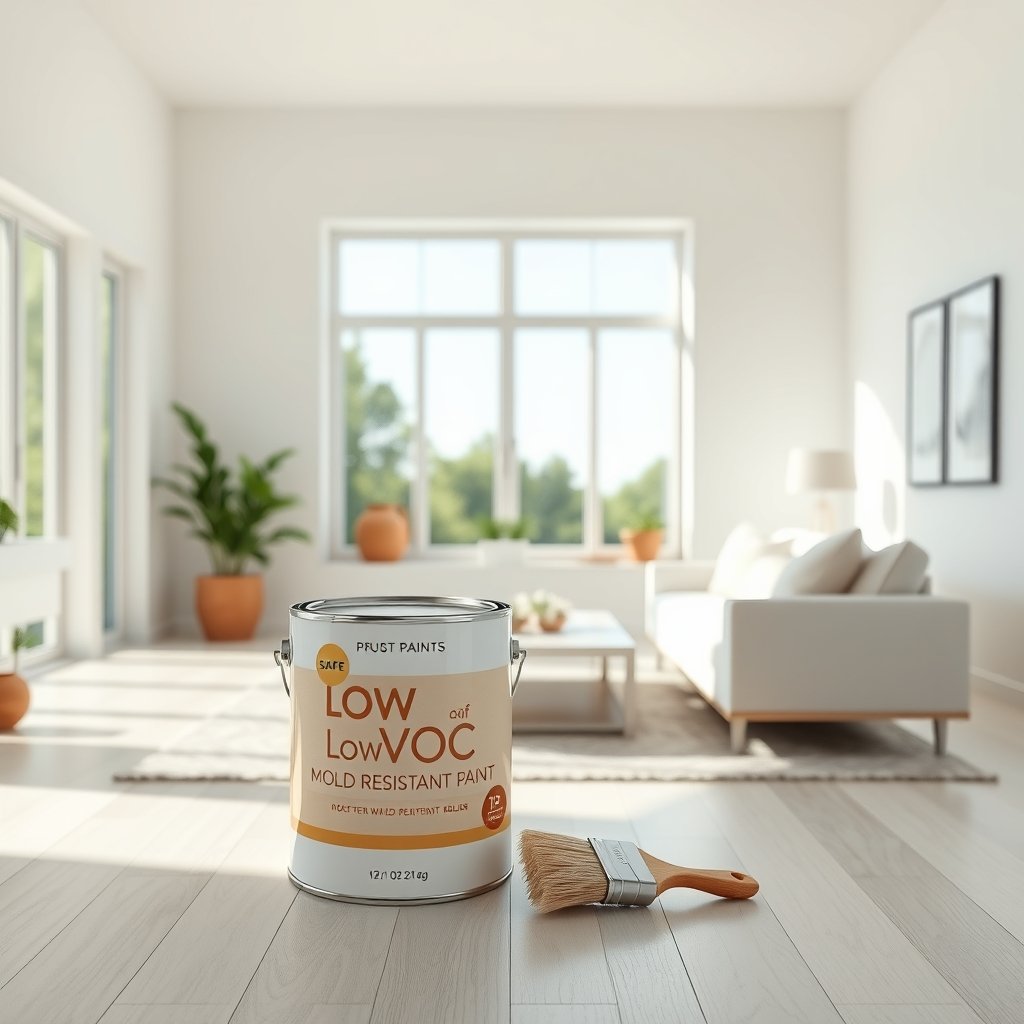
Paints certified under standards like Green Seal GS-11 are tested both for VOC content/emissions and for mold resistance—measured as a microbial growth score of 8 or more under ASTM D3273/D3274 lab conditions. This is stronger than a marketing claim; it’s a formal, third-party-backed performance guarantee. The EPA emphasizes that these paints should be part of a moisture control strategy—not a replacement for ventilation.
People often use low VOC mold resistant paint on bathroom ceilings, walls, laundry rooms, and basements. They choose these paints for better air, fewer odors, and lasting protection, but must also manage humidity for best performance.
If you’re also upgrading other parts of your home for health and efficiency, you might want to read about best water filter systems for home improvement in 2026 or consider energy efficient garden lighting as a next step.
Step-by-Step Guide: How to Apply and Maintain
A flawless finish and lasting mold resistance depend on careful surface prep, selection, and application. Here is what matters most:
- Choose Certified Paint: Look for Green Seal GS-11 or similar certifications. These ensure strict VOC/emissions standards and mold resistance, not just advertising claims.
- Inspect and Prep Surfaces: Remove all visible mold, clean thoroughly, and allow the wall or ceiling to dry. For persistent dampness, improve ventilation with a fan (see smart cleaning tips to reduce airborne spores, too).
- Prime with Mold-Resistant Primer (If Needed): Especially for older or previously stained areas. Primer helps seal stains and creates a grippy base.
- Mask and Ventilate: Open windows and run a fan for airflow. VOCs, though lower in certified paints, can still build up in small bathrooms.
- Apply at the Right Humidity: Aim for 40-60% room humidity and surface temp per label recommendations. Too much moisture means poor adhesion and future problems.
- Use Proper Techniques: Paint edges first with a sash brush, then roll. Apply two thin, even coats for robust coverage and full mold-resistant benefit.
- Allow Full Cure: Low VOC paint dries quickly, but always wait the full recommended cure time before steamy showers—some products need 72 hours.
- Maintain Regularly: Wipe down spots where condensation forms. Keep vents operational and fix leaks fast. Paint is a shield—not a substitute for healthy air.
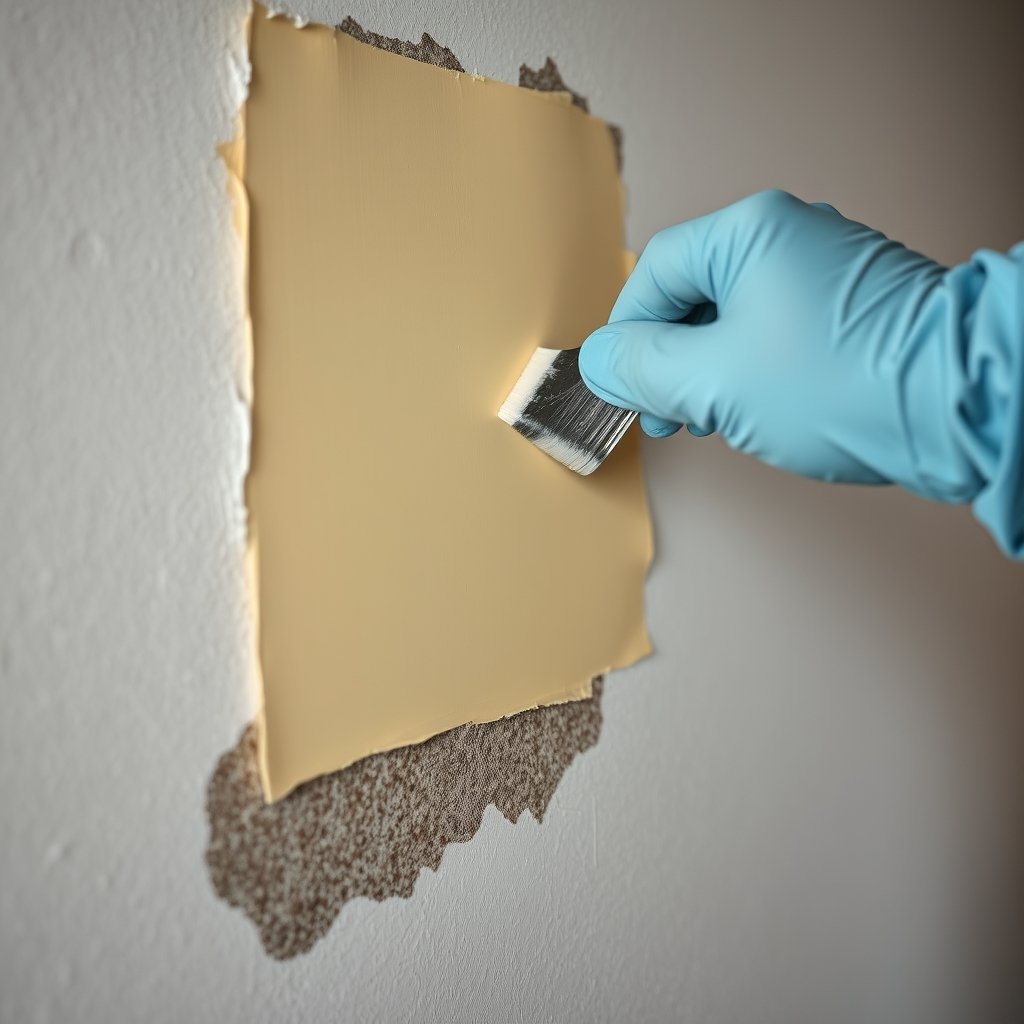
For ceiling applications, especially in bathrooms, anti-mold paint is only as good as your prep and ongoing maintenance. If you want to automate other tasks while your paint dries, consider upgrading your robot vacuum with mop for efficient cleaning.
Advanced Analysis & Common Pitfalls
Not all low VOC mold resistant paints deliver the same real-life results—especially in persistently damp or poorly ventilated bathrooms. Here’s where problems (and confusion) tend to arise:
- Mold Returns in Poorly Ventilated Rooms: Even Green Seal-certified paint resists mold in standard tests but cannot eliminate new mold if condensation and humidity problems remain unaddressed. EPA echoes this: fix the source, don’t just coat over it (EPA source).
- Tinting Can Raise VOCs: Many users do not realize that colorants added at the paint store often add VOCs—sometimes above the paint’s original “low VOC” claim. Only advanced standards like GS-11 set limits on both base and tint (Green Seal VOC guide).
- Poor Prep = Poor Results: Skipping proper cleaning or painting over damp surfaces is the #1 reason even premium paints peel, fail, or see visible mold return within a season. Mold-resistant does not mean mold-proof if moisture is ignored.
- Premium Cost Without Premium Installation: Prices for low VOC, premium mold-resistant paint are typically $73–$85 per gallon (paint cost source). Conventional paints are often cheaper, but lack official VOC and anti-mold certifications.
- Lack of True Long-Term Studies: No current lab result directly shows low VOC mold resistant paints last longer than old-school paints in real bathrooms. Only standard test scores and need for proper installation are verified.
| Aspect | Low VOC Mold Resistant Paint | Traditional Paint |
|---|---|---|
| Chemical Emissions | Strict limits (GS-11, Green Seal), including after tinting (if certified) | Often high; varies greatly by product and tint |
| Mold Resistance | Verified to resist mold to ASTM D3273/D3274 standard (rating ≥8) | No guarantee unless explicitly labeled/tested |
| Price Point | $73–$85/gallon (premium; plus prep) | Usually cheaper; may lack anti-mold additives |
| Colorant VOC Impact | Needs compliance after tinting; GS-11 controls both base and colorant | Label often ignores tint VOCs; can spike after tinting |
| Failure Causes | Poor prep, ongoing dampness, ignoring ventilation | Mold easily occurs if unchecked, plus VOCs may linger |
When prepping, an electric screwdriver set can make ceiling fixture removal easier, helping you achieve pro-level prep with less hassle.
For more guidance on smart home upgrades that can assist with cleaner air and reduced humidity control (for example, using a wireless home camera to monitor leaks or condensation remotely), you might look at best smart security camera 2026.
Conclusion
Low VOC mold resistant paint is a critical upgrade for healthy, modern bathrooms—yet it is not a one-step cure for all mold problems. Choose certified products, respect the need for careful surface prep, and never skip fixes to your ventilation or moisture sources. With the right steps and ongoing upkeep, you’ll enjoy both improved air quality and meaningful mold resistance. If you’re ready to tackle your next project, invest in low VOC mold resistant paint—but pair it with smart prep, humidity control, and the right tools for lasting success.
Explore other DIY upgrades and get more tips for a healthier, smarter home in our full home improvement library.
FAQ
Do all low VOC paints resist mold?
No. Only products specifically labeled as “mold resistant” and certified by standards like Green Seal GS-11 are independently tested for resistance—in lab conditions. Low VOC alone does not guarantee anti-mold performance.
Is it safe to use low VOC mold resistant paint with kids or pets in the home?
Yes, when fully cured and ventilated per label instructions. Certified paints have limited chemical off-gassing, but always ventilate during and after application for safer indoor air.
Why did mold come back even after using mold resistant paint?
The most common reasons are ongoing humidity, condensation, or previous mold not properly removed. No paint can permanently stop mold if moisture is still present or ventilation is poor.
How much paint do I need for an average bathroom ceiling?
Usually 1 gallon of premium product covers the ceiling and possibly upper walls of a standard-size bathroom. Always check the label for exact coverage and consider two coats for extra reliability.
Does tinting affect low VOC claims?
Yes. Many colorants add VOCs, which may push the final paint VOC levels above the original “low VOC” number on the can. Only Green Seal GS-11 and similar certifications account for post-tint VOC content.