

### Blog Post:
Sound dampening wall panels are a practical upgrade for anyone struggling with echo in living spaces or wishing to improve privacy. These panels promise better acoustics, cleaner conversations, and even a sense of calm—but their real-world effectiveness varies widely depending on what you want to achieve and how you install them.
Key Takeaways
- Most sound dampening wall panels improve in-room echo but do not fully block neighbor noise in apartments; NRC (absorption) is not the same as STC (sound blocking).
- Effective installation for renters means balancing easy removal, coverage area, and aesthetics—true transmission reduction usually needs more invasive upgrades.
- Recent trends favor decorative fluted panels with high NRC and sustainable materials, but clear expectations and proper coverage are crucial for results.
- What Are Sound Dampening Wall Panels and Why Use Them?
- How to Choose & Install Sound Dampening Wall Panels: Step-by-Step
- Advanced Analysis & Common Pitfalls: What Most People Miss
- Conclusion
- FAQ
What Are Sound Dampening Wall Panels and Why Use Them?
Sound dampening wall panels are specialized building materials designed to reduce unwanted sound inside a room. They do this by absorbing sound waves—mainly in the speech or music frequency range—leading to clearer conversation, less echo, and greater comfort. If you’ve ever noticed a room sounding “hollow,” these are the products that help fix it.
The effectiveness of these panels is measured by two numbers—NRC (Noise Reduction Coefficient) and STC (Sound Transmission Class). NRC tells you how much sound is absorbed within the space (for echo reduction), while STC gives you an idea of how much sound a wall (not just a panel) blocks from traveling into another room. Most decorative panels rate between NRC 0.70 and 1.00—good for echo control—but their STC, when tested alone, is similar to plain drywall (in the low 30s), which is not enough to block neighbor noise on its own. High STC walls (50–60+) require full assemblies, not just panels. (source, source)
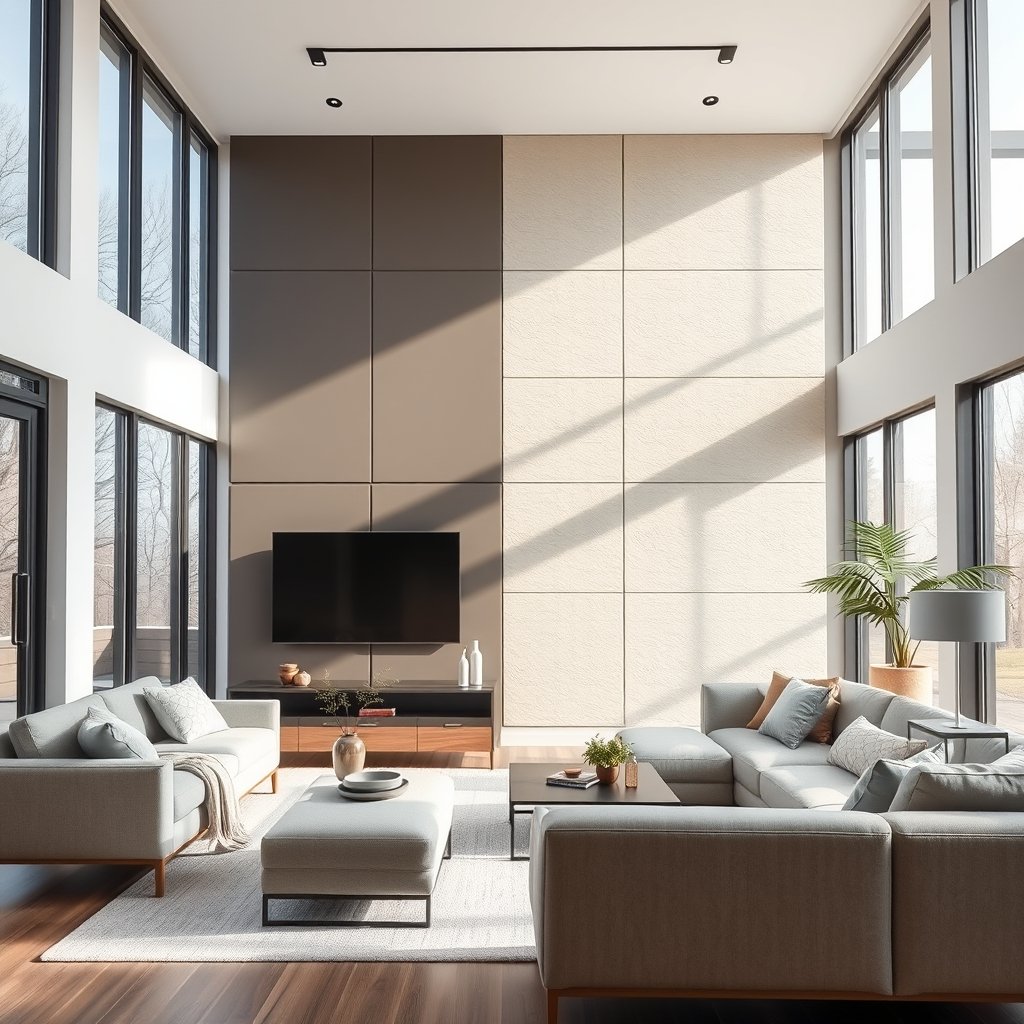
If you’re a renter or only want to improve the “feel” of a room, adding well-placed sound dampening wall panels makes a noticeable difference in clarity and comfort. However, if your goal is true “soundproofing,” it’s important to set realistic expectations—most panels alone cannot stop loud conversations or bass from entering your space.
How to Choose & Install Sound Dampening Wall Panels: Step-by-Step
- Identify Your Acoustic Goal: Are you aiming to reduce echo and improve sound quality within your room, or are you trying to block outside noise (e.g., noisy neighbors)? For most renters, echo control is feasible; block neighbor noise is not, unless you can modify the wall assembly.
- Understand NRC vs. STC: Look for NRC ratings of at least 0.70 for real absorption. Do not expect significant transmission loss (STC improvement) from decorative or removable panels.
-
Choose the Right Style: Decide between classic fabric-wrapped fiberglass panels, PET felt panels, or on-trend slatted/fluted panels. All can hit high NRC scores, but some offer more architectural style.
For the latest in design, PET-backed fluted panels deliver strong performance (NRC 0.70–0.90+) and sustainable materials (source). - Measure Your Room and Estimate Coverage: For noticeable results, aim to cover 25–50% of your wall and ceiling surface area with panels. Even high NRC panels do little if you only install a few small squares.
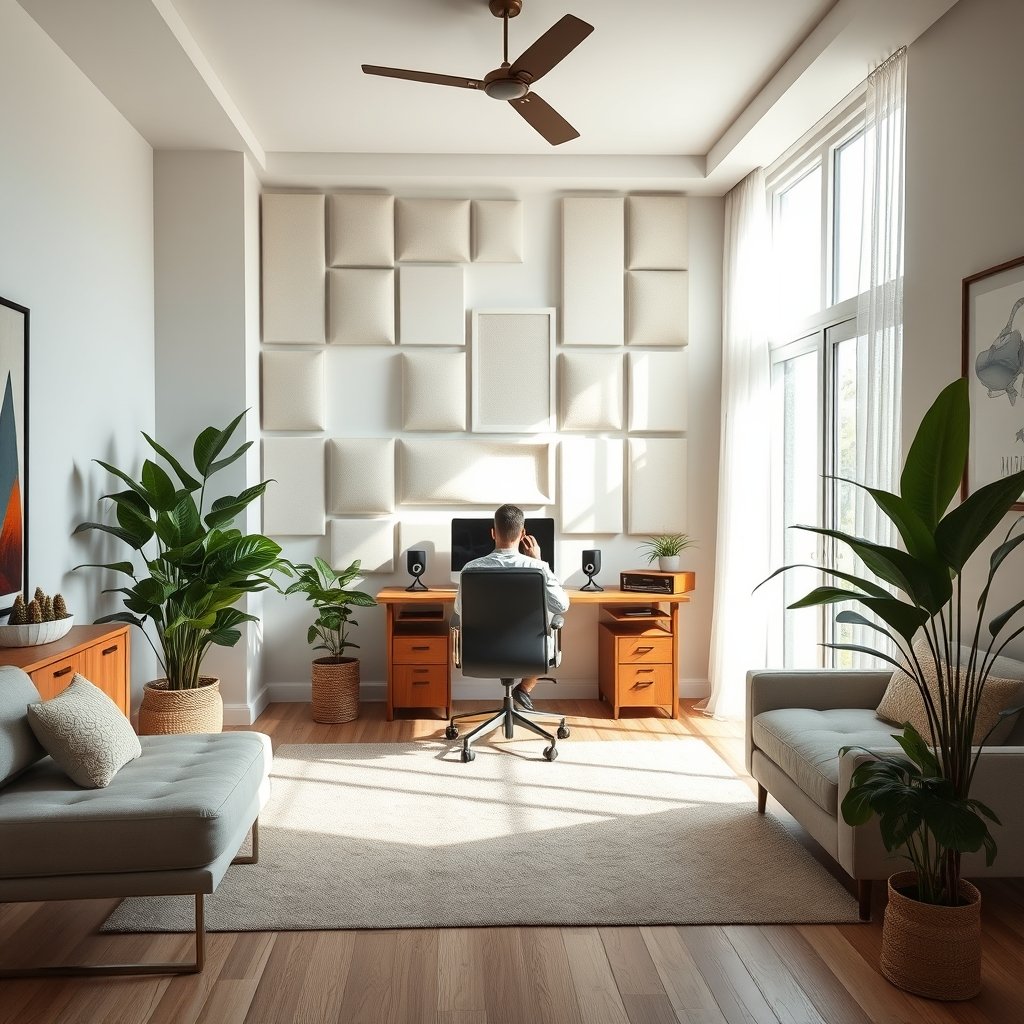
- Prep and Lay Out the Panels: Mark mounting locations around seating, work zones, and main sound reflection points (opposite TVs, above desks, near beds).
- Mount with Care: Use removable adhesives, Z-clips, or light-duty screws for easier removal if renting. Some panels come with peel-and-stick backing, but denser or larger panels may need better anchors.
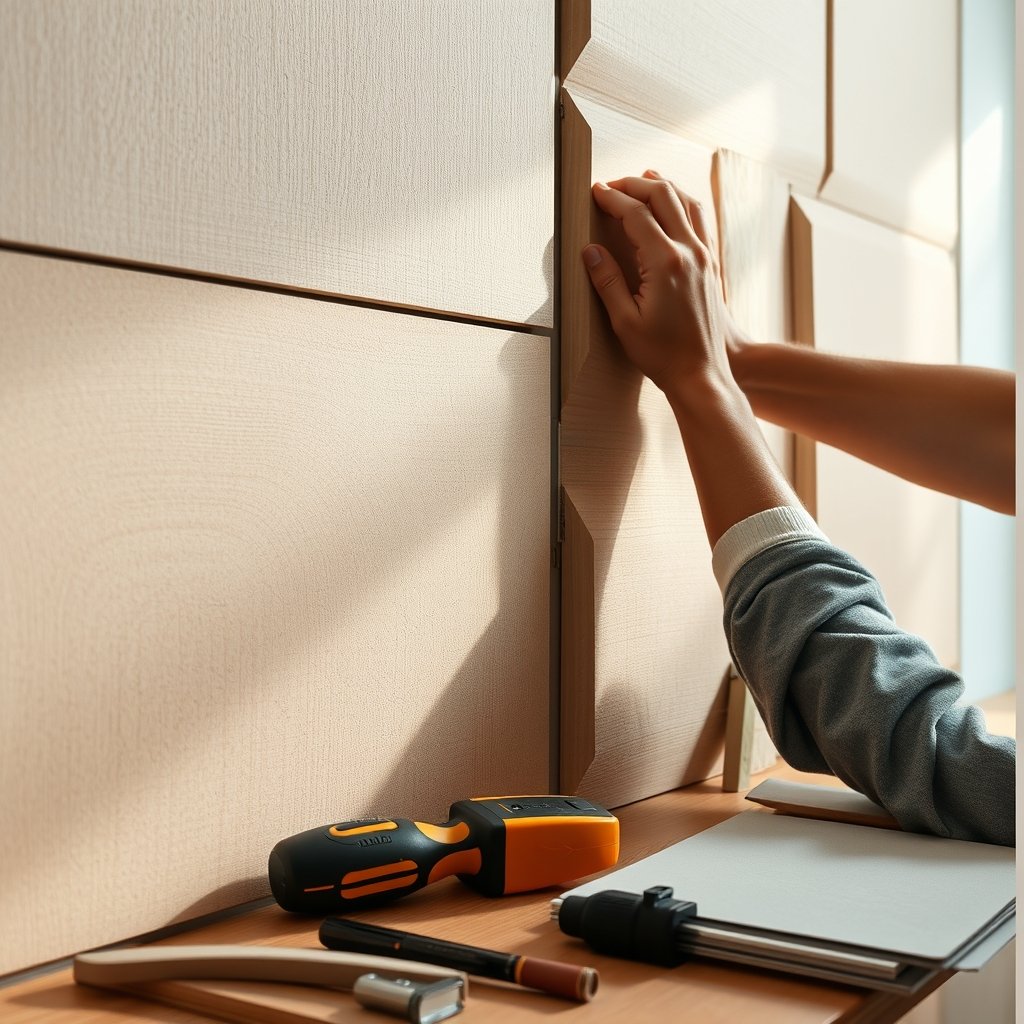
- Finish & Evaluate: Listen for reduced echo by clapping or speaking. Rooms should sound “deadened”—not unnaturally quiet, but comfortable and clear.
- Optional (for true soundproofing): If you own the property and need to stop neighbor noise, consider consulting with a specialist to install high-STC wall assemblies. This is not possible for most renters but is the only path to blocking true transmission (source).
For more tool tips and renter-friendly project ideas, check the best cordless drill for beginners guide and electric screwdriver set buying tips.
Advanced Analysis & Common Pitfalls: What Most People Miss
Many users expect sound dampening wall panels to “soundproof” their apartment. In reality, sound blocking (STC) is mainly determined by the wall structure. Even the best wall panel—whether foam, PET, or mineral wool—will not make a standard apartment wall block loud speech or TV unless the wall is rebuilt to high-STC standards.
Likewise, certain noises—bass from subwoofers, footsteps above—are especially hard to block. Panels and even high-STC assemblies struggle here because both absorbent panels and drywall assemblies are least effective at low frequencies. If bass or impact noise is your main complaint, your best bet is to focus on room layout, carpets, and asking the landlord for structural upgrades.
| Panel Type / System | NRC (Echo Reduction) | STC (Sound Blocking) | Best For |
|---|---|---|---|
| Decorative PET Felt Panel | 0.40–0.90 | ~30–35 (panel alone) | Echo, speech clarity—NOT blocking neighbor noise |
| Fiberglass/Acoustic Foam Panel | 0.70–1.00 | ~30–35 (panel alone) | Home studios, zoom calls, echo |
| High-STC Wall System (Multiple Drywall Layers, Resilient Channel) | Variable, typically moderate | 50–60+ | Blocking neighbor noise, privacy between rooms |
| Fluted/Slatted Panel (Modern Design) | 0.70–0.90* | ~30–35 (panel alone) | Combines style + echo reduction |
* When installed with adequate PET backing and optional air gap. Data per materiallogiq.com.
- Pitfall 1: Underestimating coverage. Small panels or isolated “foam squares” rarely give good results—you need to treat at least a quarter of the main surfaces.
- Pitfall 2: Expecting “soundproofing” from panels. Only structural changes (mass, decoupling, sealing) meaningfully lift STC, as detailed in this professional community discussion.
- Pitfall 3: Ignoring fire codes and building rules. Most panels need to meet fire safety standards (ask suppliers), and renters must avoid methods that damage the property.
- Pitfall 4: Overpaying for premium panels expecting miracles. Decorative panels upgrade looks and echo, but measurable “quiet” between units generally requires investment in full wall upgrades.
For further insights on home upgrades, see our guides to best smart security camera and outdoor lighting for home projects.
Conclusion
Sound dampening wall panels are a practical way to tame unwanted echo and improve comfort in any room—especially home offices, media areas, and bedrooms. Their benefits are clear for in-room sound, but for blocking noise between units, expectations should be realistic: most panels only slightly reduce transmission, even if they dramatically reduce reflected sound.
Trends in 2024 favor decorative, high-NRC, and renter-friendly options, including PET felt and fluted finishes. If you want better clarity, more privacy for calls, and improved ambiance, strategic panel placement adds real value. If you need true inter-unit soundproofing, consult on full wall assemblies or talk with your landlord about possible upgrades. For most apartment dwellers, start with well-placed panels and realistic goals.
Have a specific project or problem with sound dampening wall panels? Share your question below, or explore our posts on the best robot vacuum for home acoustics and air quality and water filter tips for a more comfortable living space.
FAQ
Do sound dampening wall panels work for blocking out my neighbor’s TV?
Not typically. While high-NRC wall panels reduce echo and make your own room quieter, they don’t block sound coming through walls. For real sound blocking, your wall needs an STC of 50 or more, which usually means reconstructing the wall with extra layers, insulation, and special hardware—not something panels alone can do. (source)
What does NRC mean, and what’s a good value?
NRC, or Noise Reduction Coefficient, measures how much sound a material absorbs inside the room (on a 0 to 1 scale). A value of 0.7–1.0 is considered good—these panels noticeably reduce echo and improve speech clarity.
Are fluted acoustic panels effective compared to standard flat panels?
Yes, modern PET-backed fluted panels can reach NRC values as high as 0.90 under the right conditions—especially with enough backing material and an air gap. Their main advantage is combining style with good absorption, though they do not block noise transfer between rooms any better than other panel types. (source)
How much wall do I need to cover for effective results?
For real improvement in room echo, plan to cover at least 25%—ideally up to half—of the main wall and ceiling surfaces with high-NRC panels. Distributing them near main reflection points (opposite speakers, above the seating area) gets best results.
Can I install sound dampening panels if I rent? Will they damage the wall?
Yes, most decorative panels are designed for surface mounting with removable adhesives, small screws, or Z-clips. Choose reversible installation methods, watch for fire safety certifications, and always check your lease before making holes or adding any large fixtures.
—