

Hard water shower filter systems promise real benefits for your skin and hair, but most people misunderstand how these filters work, what they fix, and their limits for hard water and chlorine. Whether you’re fed up with dryness, limescale, or mixed results from past filters, understanding the technology and the science is key to getting the results you want.
Key Takeaways
- Most “hard water shower filters” do not actually soften water; they reduce chlorine, not calcium or magnesium hardness.
- Hard water and chlorine both aggravate dryness and scalp irritation, but only ion exchange systems provide true softening.
- Pick filters based on your local water hardness, and expect to replace cartridges more often than the packaging claims.
- What is a Hard Water Shower Filter and Why Does It Matter?
- Step-by-Step: Choosing and Installing the Right Shower Filter
- Advanced Analysis and Common Pitfalls
- Conclusion
- Frequently Asked Questions
What is a Hard Water Shower Filter and Why Does It Matter?
A hard water shower filter is a device you attach between your existing shower arm and head. Its job is to reduce substances in tap water that can irritate your skin and dull your hair—mainly chlorine, some heavy metals, and occasionally a bit of sediment. The World Health Organization and recent dermatology studies confirm that while hard water isn’t dangerous to drink, it can certainly make your skin dry and worsen eczema or psoriasis, especially in places like London, Chicago, or Phoenix where water is classified as “hard” by utility data.
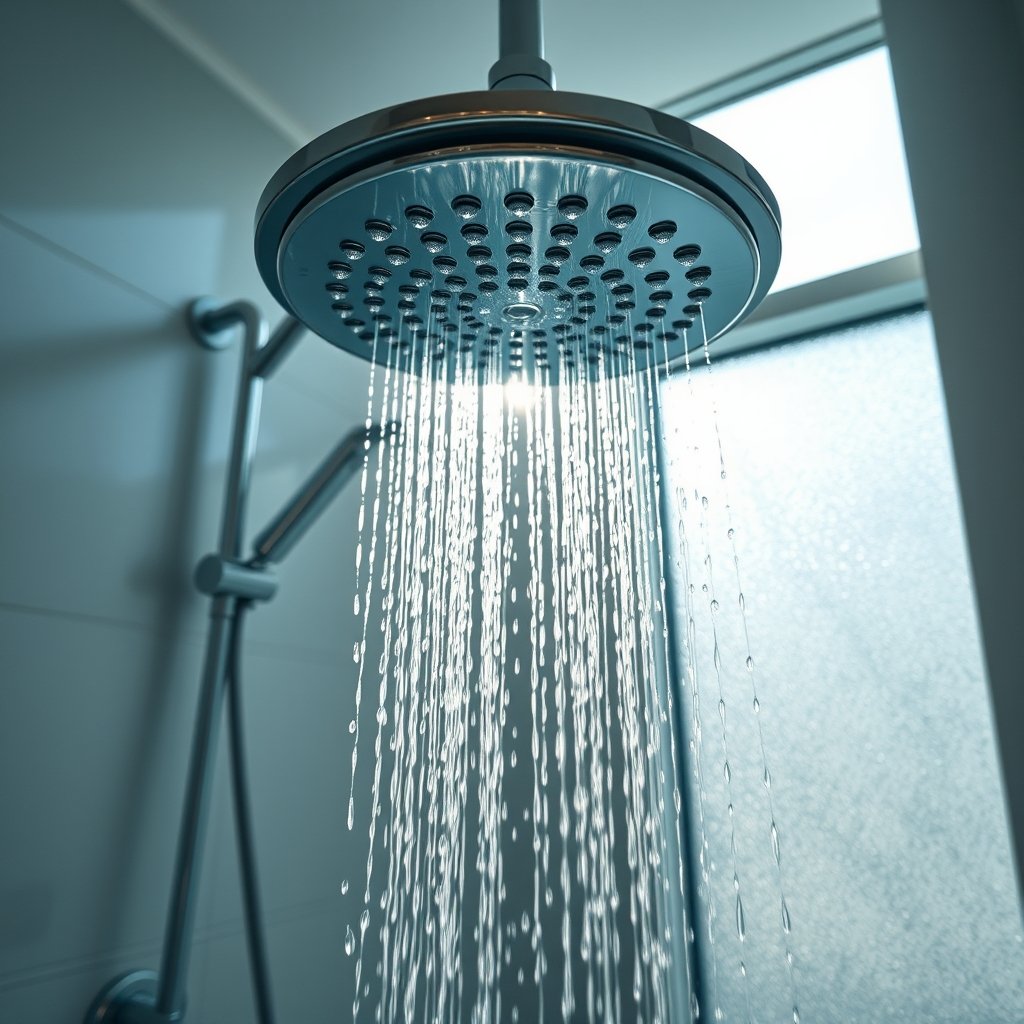
The “hard” in hard water means it contains elevated calcium and magnesium, which react with soap to form residue on your hair and skin. You might notice this as film on your shower door or “dullness” in hair that just won’t go away. Chlorine, on the other hand, is added to disinfect water and can strip your natural oils, causing irritation and sometimes aggravating rashes.
Most shower filters use media like KDF, activated carbon, or vitamin C to remove chlorine. Only a few use ion exchange resin to reduce hardness—but their effect is usually minor due to small cartridge size and rapid depletion in very hard water. For full home softening, an upstream softener is needed instead.
Before choosing a filter, be clear about your local water chemistry (check your city’s water quality report), what issue matters most (clarity, limescale, skin comfort), and remember: No shower filter will remove all mineral staining or deliver the silky feel of soft water unless it uses genuine softening media.
For more on how water filtration works in the rest of your home, see the best water filter system 2026 guide.
Step-by-Step: Choosing and Installing the Right Shower Filter
Here’s how to pick a shower filter that matches your needs, install it in a typical bathroom, and manage long-term performance:
- Check your water type: Is your main problem dry skin, brittle hair, or visible limescale? Softening is only possible with ion exchange resin; most filters only target chlorine. For very hard water (>180 mg/L CaCO3), consider a softener, not just a filter.
- Pick the right media:
- KDF/carbon/vitamin C: Effective at chlorine removal for skin comfort.
- Ion exchange resin: Some “softening shower heads” include these, but capacity is limited—expect only a minor drop in hardness, mostly in mildly hard water.
- Compare real-world reviews & lab claims: Look for filters with posted hardness and chlorine test results, not just marketing talk. Be skeptical of any that claim dramatic “softening” unless they show clear pre/post test strip changes.
- Buy and install: Most units screw onto the shower arm in minutes. Use thread sealant tape to prevent leaks and ensure good alignment. If you have a rain shower or handheld, double-check compatibility and weight limits.
- Set a maintenance reminder: Change the cartridge every 3 to 6 months—even if the box claims 12 months—unless you notice reduced flow or lather.
- Check for improvement: After a week, see if your skin feels less itchy or dry and whether hair rinses more cleanly. If you have a TDS or hardness test strip, retest after installation.
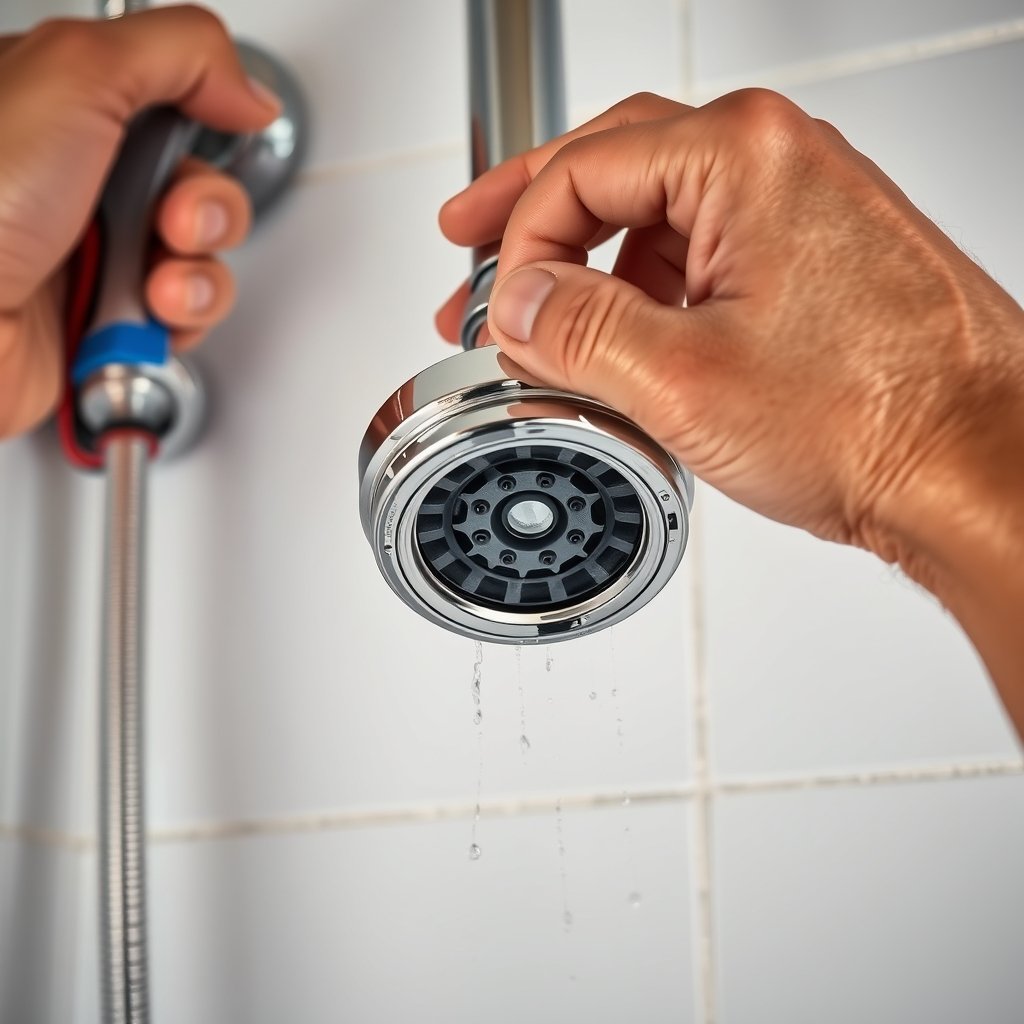
If you see little or no difference—and your main issue is limescale—consider a whole-house water filter or a true ion exchange unit. For renters, stick to units that are easy to reverse without plumbing modifications.
Don’t forget: If you care about other home upgrades, check out our cordless drill for beginners or solar garden lights reviews.
Advanced Analysis and Common Pitfalls
Even after careful shopping, users run into familiar problems. Here’s what the research and thousands of Amazon and Reddit reviews agree on:
| Problem | Why it Happens | How to Avoid or Fix |
|---|---|---|
| No change in feel or limescale | Most shower filters reduce chlorine (feel), not hardness minerals (scale). Ion exchange capacity is low in these units. | Set realistic expectations: for heavy limescale, you need a real softener. Use test strips to validate any “softening” claims. |
| Sudden water pressure drop | Cartridges clog quickly in hard or dirty water, especially with dense multi-stage media. | Change cartridges more often; flush the filter by running cold water every week; choose units with larger media capacity. |
| Confusing maintenance and short cartridge life | Cartridges often last only half as long as advertised, especially in very hard or sediment-rich water. | Set calendar reminders, buy twin-packs, and check for chlorine or hardness indicators on the cartridge if available. |
| Leaks and installation snags | Poor seal at joints or incompatible fittings on thick-walled shower arms and hoses. | Always use fresh Teflon tape; if you have a rain shower or special mount, check for compatible thread size and weight. |
| Overstated hair loss claims | Breakage is often mistaken for root loss; real hair regrowth requires medical intervention. | Use filters for dryness/itch, not as a hair loss cure. Consult a dermatologist for persistent shedding. |
Real-world price and effort: Expect to pay $25–$120 for most shower filters in 2024, with annual cartridge costs ($30–$120) that may surprise you if your water is especially hard. Robot vacuums and cameras are easier to maintain than most inline filters!
A true ion-exchange water softener, installed at the home’s entry point, is a far more reliable—though much more expensive—solution for hard water. If you’re only filtering a single shower and mainly worried about skin feel and chlorine, a KDF or carbon filter is sufficient.
Conclusion
Choosing the right hard water shower filter starts with knowing what your water needs. Most filters dramatically reduce chlorine but only slightly affect real hardness unless they include robust ion exchange media. Maintenance and cartridge changes happen more frequently than you might expect—budget for this in advance. For those in the hardest-hit US or UK regions, only a real water softener will prevent scale stains, while a filter can boost comfort and reduce dryness.
Ready to improve your shower experience? Test your water first, pick a filter designed for your main problem, and set a reminder to swap the cartridge. For deeper upgrades, check our home water filter comparison.
Frequently Asked Questions
Do hard water shower filters actually soften water?
Most do not. The majority of filters use KDF, carbon, or vitamin C, which remove chlorine but do not reduce calcium or magnesium hardness. Only units with true ion exchange resin can marginally soften water, and even then, the effect is limited for heavy hardness.
Will a shower filter fix limescale spots on glass doors?
No, unless it is a genuine ion exchange softener (rare for shower filters). Standard chlorine filters won’t noticeably reduce limescale or white spots—those minerals remain in the water. For stain prevention, a whole-house softener is recommended.
How often should I change a shower filter cartridge?
Most brands advertise 6–12 months, but real-world use—especially in very hard or dirty water—means 3–6 months is more realistic for maintaining flow and performance. Setting a calendar reminder helps you avoid clogs and drops in water pressure.
Can shower filters prevent hair loss?
There is no clinical evidence that shower filters prevent genetic or autoimmune hair loss. However, by reducing chlorine and some irritants, filters can limit breakage and tenderness in some users, which may reduce hair shedding from breakage—not at the root.
Are shower filters easy to install and compatible with all showers?
Most models are screw-on DIY jobs and take less than 10 minutes. However, not all filters fit every shower arm (especially rain-heads or weird angles), so check for compatibility and use plumber’s tape to avoid leaks.